Basement Waterproofing in the Atlanta Metro Area
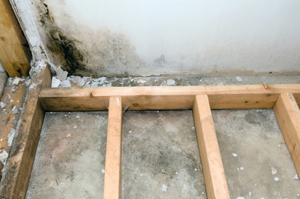
Basement waterproofing intercepts water at the base of your basement wall and channels it to a sump pump before it can pool on the floor. Clay soil across the Atlanta metro expands when it’s wet, pushing against a basement wall with real force, known as hydrostatic pressure, and that pressure finds any gap, crack, or joint in the wall to get through. Engineered Solutions of Georgia installs an interior drainage system that collects that water where it enters and routes it out through a sump pump, with an in-house structural engineering department designing the system around your specific foundation.
What Causes a Wet Basement in the Atlanta Metro Area
Atlanta’s older, intown neighborhoods, places like Grant Park, Virginia-Highland, and Druid Hills, were largely built in the early 1900s on sloped lots, so the basement wall built into the hillside is holding back far more soil and water than the other three walls. Whatever waterproofing that wall had when it was built wasn’t designed for anything close to today’s rainfall or drainage standards, and decades of settling have only widened the gaps water can get through.
Newer construction deals with a different version of the same problem. Grading during development reshapes the soil around a foundation, and a downspout or drainage swale positioned correctly when a house was built can end up sending water toward the foundation years later, after nearby landscaping changes or the ground itself settles. Either way, once water gets past the wall, it follows whatever path is open, the joint where the wall meets the floor, a crack, a gap around a window well, until it reaches the floor.
Signs of a Wet or Leaking Basement
You’ll usually run into these signs while doing something else around the house, folding laundry, grabbing something from storage, walking down the stairs. They tend to register as small annoyances at first, not obvious problems. None of them require you to be looking specifically for water damage to notice.
- Water Stains on Walls or Floors: A tide line or discolored patch, usually along the base of a wall or in a low corner, marks where water has pooled or run before drying. Where the stain sits often lines up with where the water actually got in.
- Efflorescence (White, Chalky Residue): This white, powdery deposit forms when water passes through concrete or block and evaporates, leaving behind the minerals it carried with it. It’s not mold, and scrubbing it off doesn’t solve anything, since the same spot produces more of it every time water moves through.
- Peeling or Bubbling Paint: When moisture works its way through a wall from the outside, it collects behind whatever coating is on the inside and breaks the bond holding it to the surface. A basement wall that keeps failing paint jobs usually has a moisture problem underneath the cosmetic one.
- Bowing or Cracking Foundation Walls: Constant pressure from saturated soil outside can push a basement wall inward over time, showing up as a horizontal crack or a wall that’s no longer perfectly straight. This is a structural sign, not just a cosmetic one, and it points to pressure that’s been building for a while.
- Condensation on Pipes or Cold Surfaces: Beads of water forming on a cold pipe or window usually mean the air in the basement is holding more humidity than it should, even without an active leak anywhere in sight.
- Mold Growth on Framing or Stored Items: Basements often share air with the HVAC return, so mold that starts on a box in the corner or a stud behind drywall has a path into the rest of the house. Dark spotting and a change in smell around the same area usually show up together.
- A Smell That Doesn’t Go Away: A musty smell that persists no matter how much the room is cleaned or aired out is coming from somewhere the cleaning can’t reach.
- Silverfish, Centipedes, or Rodents: These specific pests are drawn to basements for the same reason they avoid the rest of the house, consistent moisture and cool, dark conditions. Finding them concentrated in the basement and nowhere else in the home is itself a clue.
- Basements built into a hillside or below the water table deal with more of these signs at once than basements with better natural drainage. Either way, catching one of these before it becomes several is what a proper inspection is for.
Our Basement Waterproofing Services
Engineered Solutions of Georgia uses a complete interior waterproofing system designed to control water at every stage, from where it enters your basement, to how it is safely removed. Our solutions are customized to your home’s specific conditions and may include interior drainage systems, sump pumps, foundation crack sealing, and humidity control, with each component working together to keep your basement dry and protect your foundation.
With an in-house structural engineering department, Engineered Solutions of Georgia designs waterproofing solutions based on your basement’s unique needs, including the source of water intrusion and the drainage capacity required to provide a lasting solution.
Interior Drainage System: A channel runs along the inside base of the basement wall, below the floor surface, catching water where it enters through the wall or the wall-floor joint. From there it flows by gravity toward a single low point instead of spreading across the room.
Sump Pump: The drainage channel empties into a sump pit, where a pump automatically removes it and routes it away from the foundation before it can back up into the basement.
Crack Sealing: Cracks in the foundation wall are sealed to close off additional entry points, which reduces how much water the drainage system and pump have to handle in the first place.
Dehumidifier: Where humidity is a factor on its own, not just active water intrusion, a dehumidifier keeps moisture in the air from reaching the level where mold and mildew can take hold.
Our Basement Waterproofing Process
What Affects the Cost of Basement Waterproofing
The cost of basement waterproofing depends on the specific conditions of your home rather than a standard rate. Factors such as the size of the basement, the source of water intrusion, existing damage, and access to the work area all influence the scope of the solution.
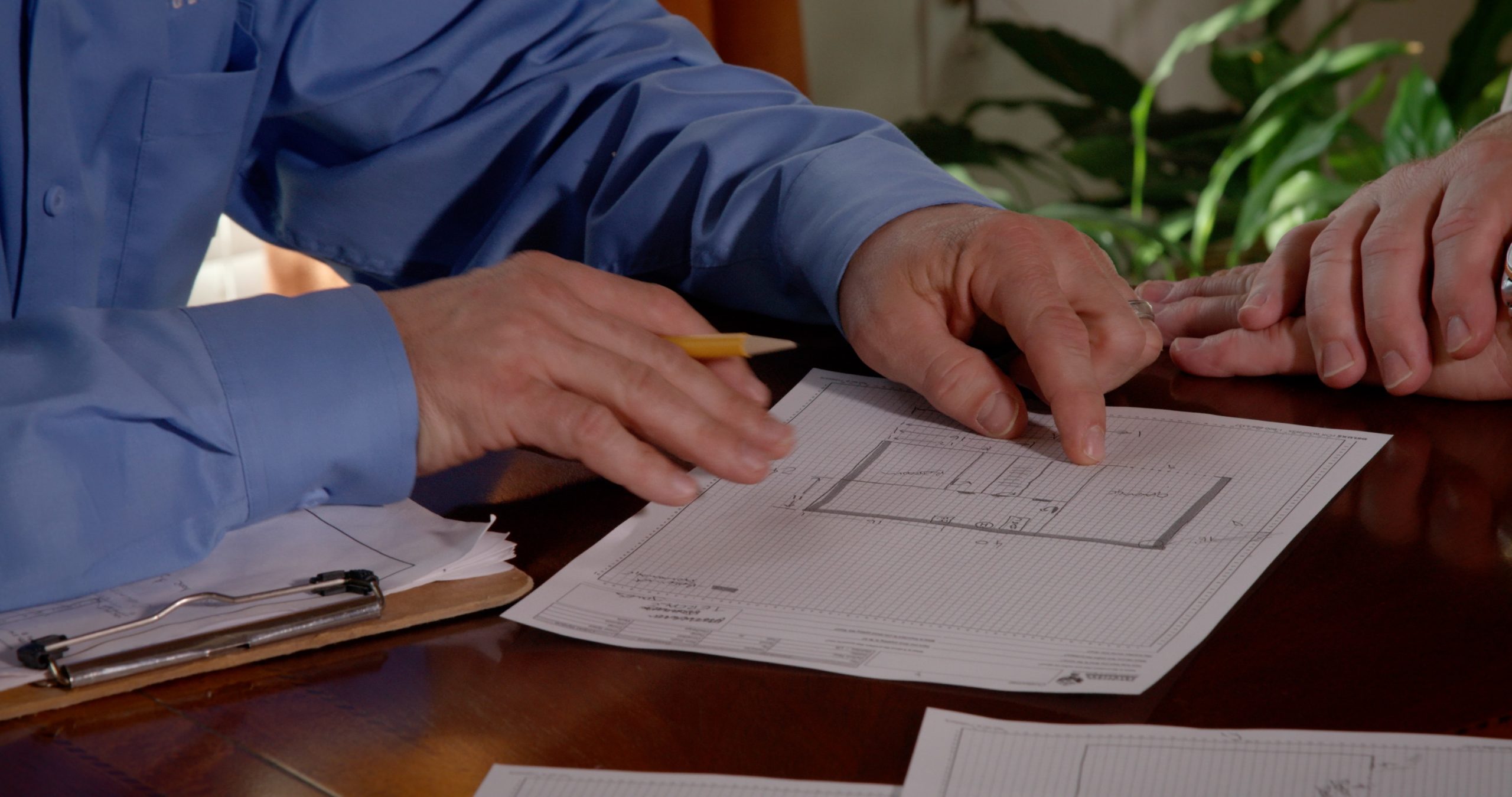
Because every basement has different moisture issues, a proper inspection is the first step in determining what is needed. Engineered Solutions of Georgia’s in-house structural engineering department evaluates the cause of water intrusion and designs a waterproofing system based on the specific needs of your basement.
Basement Waterproofing Backed by Warranty and Experience
Engineered Solutions of Georgia has been repairing foundations and waterproofing basements across the Atlanta metro since 2006. Most basement waterproofing work is backed by a Life of the Structure warranty, and when a licensed structural engineer is involved in the plan, coverage extends to a Triple Protection Warranty covering material, workmanship, and design.
That coverage exists because a licensed engineer reviews how a system gets designed for a specific basement. ESOG is the only residential company in the area with its own in-house structural engineering department, so a waterproofing plan comes from someone evaluating the soil, the grading, and the condition of the wall itself, then designing the drainage system around what’s actually driving the water problem.
Schedule a Basement Waterproofing Inspection
The longer water sits against your foundation, the more it affects the wall and everything built on top of it. ESOG’s structural engineers can tell you exactly what’s happening in your basement and what it will take to fix it, starting with a free inspection. We service Atlanta, Alpharetta, Canton, and Central Georgia.